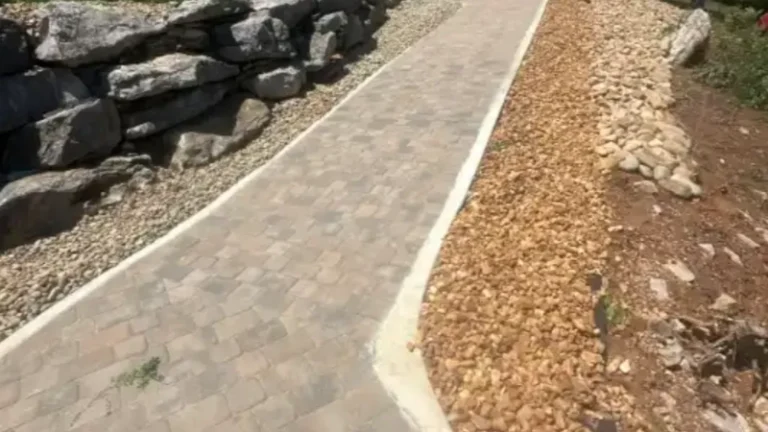
Why You Should Seal Your Paver Patio or Walkway
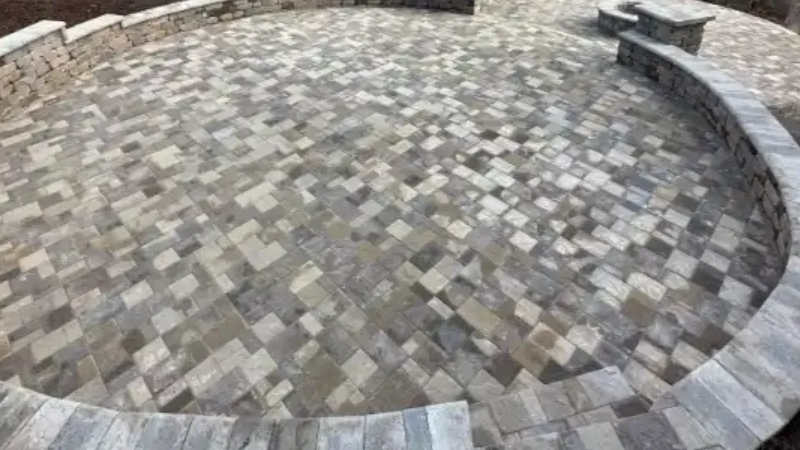
If you have invested in a paver patio, walkway, or driveway, sealing can feel like an optional add-on. In reality, paver sealing is one of the simplest ways to protect what you already paid for. It helps your hardscape resist stains, weathering, and joint failure, and it keeps the surface looking sharp instead of faded and patchy a few seasons later.
At Property Docktors, we design, build, and maintain outdoor spaces across Lenoir City and surrounding East Tennessee communities. That includes hardscaping and landscaping projects, plus ongoing care like cleaning and professional paver sealing that extends the life of patios and walkways. Below is what sealing actually does, why it matters in East Tennessee, and how to decide when it is time.
What does paver sealing do?
Paver sealing adds a protective layer that helps block the most common sources of damage and discoloration. Pavers are porous, which means moisture and stains can penetrate the surface and set in. A quality sealant reduces absorption and makes routine maintenance easier.
Sealers are not paint. They are designed to bond with the paver surface and protect it without changing the structure of the material. Depending on the product and finish chosen, the look can stay more natural or shift toward a subtle color enhancement.
Here’s what a professional sealing treatment helps accomplish:
-
- Reduces moisture penetration so water is less likely to soak into the pavers and joints during rain or irrigation cycles.
- Helps prevent fading by reducing UV exposure that can dull the surface over time.
- Resists staining from oils, food spills, leaf tannins, rust, and everyday grime that commonly show up on outdoor surfaces.
- Protects joint material by helping stabilize polymeric sand and reducing washout that leads to weeds and shifting pavers.
- Makes cleaning easier because dirt and organic debris are less likely to stick and soak in.
- Improves overall appearance by bringing back uniformity in areas that have weathered unevenly.
Sealing is not only about looks. It is also about preserving performance. When joints hold better and moisture stays out, the hardscape is less likely to develop low spots, loose edges, and wobbly pavers that become trip hazards.
Benefits of sealing your pavers
Sealing provides long-term protection for both residential and commercial paver surfaces. Whether you are maintaining a front walkway, a backyard paver patio, or a busy entry area, sealing helps reduce the problems that lead to costly repairs later.
1. Protects against stains that are hard to remove later
Most paver stains happen gradually. A little oil drip, a grill splash, or leaf tannins that sit too long can turn into discoloration that is difficult to fully remove.
Common sources include:
-
-
- Oil or fluid from vehicles
- Grease and food spills from outdoor cooking
- Rust from metal furniture legs or tools
- Fertilizer residue and organic staining from leaves
-
How sealing helps: A sealed surface gives you time to clean up spills before they soak in, and it makes routine washing more effective. That keeps your hardscaping looking clean instead of permanently marked.
2. Keeps color and finish from looking tired and uneven
Sun exposure and weathering can fade pavers over time, especially in open areas with direct sunlight. Many patios and walkways start to look patchy because some areas get more sun, more water, or more traffic than others.
How sealing helps: Sealing reduces surface wear and can help maintain a more consistent appearance. Depending on the finish selected, it can also enhance the existing color and bring back definition between the pavers and joints.
3. Reduces weeds, moss, and insect activity in the joints
Most weed problems in pavers start in the joints, not the pavers themselves. When joint material erodes, gaps open up and seeds settle. Ants and other insects can also disturb joint sand, accelerating washout.
Sealing helps:
-
-
- Stabilize joint sand and reduce erosion from storms and cleaning
- Limit the moisture and organic buildup that encourages moss growth
- Make it harder for seeds to take hold in open gaps
-
Important note: Sealing is most effective when the joints are properly filled and the surface is prepped correctly. That is why professional cleaning and joint inspection matter before sealing.
4. Helps protect against freeze-thaw stress
East Tennessee sees plenty of temperature swings where water can soak into surfaces, then freeze overnight. When moisture freezes, it expands. Over time, this can contribute to surface wear, joint breakdown, and shifting that leads to uneven pavers.
How sealing helps: By reducing moisture penetration, sealing lowers the chance of water getting into the pavers and joints in the first place. That means less stress during freeze-thaw cycles and a better chance of keeping your surface level and stable.
5. Cuts down on routine cleaning and maintenance
Unsealed pavers tend to hold dirt, algae, and organic staining more easily. That often turns into frequent cleaning, more aggressive washing, and repeated joint sand loss.
Sealed surfaces generally mean:
-
-
- Easier rinsing and washing
- Less frequent deep cleaning
- Reduced chance of stains setting in permanently
- Better durability in high-traffic areas
-
For commercial properties, that can translate into fewer service calls and a consistently better first impression.
When should you seal a paver patio or walkway?
Timing matters. Sealing too early can trap moisture or interfere with joint material if the surface has not fully settled. Waiting too long can mean stains and joint issues are already established.
In many cases, a good plan looks like this:
-
- New installations: Seal after the surface has had time to settle and dry, typically after the initial installation period when the base and joints have stabilized.
- Existing patios and walkways: Re-seal on a schedule based on sun exposure, traffic, and the type of sealant used, often every few years.
If you are unsure whether sealing is needed now, a quick inspection can usually tell you. Fading, joint erosion, and persistent staining are often signs the surface is ready for cleaning and re-sealing.
What happens if you skip sealing?
Many homeowners and property managers skip sealing because the patio still looks “fine.” The problem is that the early damage usually happens quietly. By the time the surface looks rough, the repairs are more involved than a simple seal coat.
Fading and uneven appearance
Unsealed pavers are exposed to UV and weathering with no barrier. Over time, color dulls and the surface can start to look uneven, especially where sun and traffic are inconsistent.
Weeds and joint failure
When joint sand erodes, weeds and moss establish quickly. This is also where pavers start to loosen and shift, creating trip hazards and a surface that no longer feels solid underfoot.
Stains that become permanent
Oil, grease, and organic staining penetrate porous pavers. Once stains soak in, removal can require aggressive cleaning methods that may also damage joints and shorten the life of the hardscape.
More maintenance, more often
Unsealed surfaces usually need more frequent washing and more touch-up work. On top of that, repeated pressure washing without proper technique can accelerate joint sand loss.
Higher risk of shifting and surface issues over time
Water moving through joints and into the base can contribute to settlement and uneven areas, especially when seasonal cycles and heavy rain are involved. That is when you start hearing about partial resets or larger repair projects.
If you are budgeting for hardscape care, our pricing resources can help set expectations:
-
- Hardscape Pricing Guide for hardscape maintenance and repair planning
- Landscape Pricing Guide for surrounding landscaping upgrades and restoration work
Why choose Property Docktors for paver sealing?
At Property Docktors, our sealing work is part of a bigger picture. We install and maintain outdoor environments, so we pay attention to the details that affect long-term performance, proper cleaning methods, joint integrity, drainage around the hardscape, and how the surface is used day to day.
We commonly work on:
-
- Paver patios built for outdoor living and entertaining
- Walkways and entry paths that improve access and curb appeal
- Driveways and commercial entry areas that require durability and a clean appearance
- Complementary features like retaining walls, mulch installation, and landscape lighting that complete the space
If the pavers are part of a broader outdoor update, we can also help plan the surrounding design so the finished result looks intentional, not piecemeal. That might include hardscaping installations paired with landscaping upgrades that frame the patio and improve the overall flow of the property.
Proudly serving Lenoir City and surrounding areas
Property Docktors provides expert hardscape installation, maintenance, and sealing services across East Tennessee, including:
-
- Lenoir City
- Loudon
- Knoxville
- Farragut
- Tellico Village
- Oak Ridge
- Rarity Bay
- Kahite
Ready to protect your patio or walkway?
If your pavers are fading, staining, growing weeds, or losing joint sand, it is time for a professional sealing plan.
We will inspect the surface, recommend the right approach, and complete the prep and sealing the right way so your patio or walkway stays clean, stable, and easy to maintain. Request an estimate online to schedule paver sealing or hardscape maintenance in Lenoir City or the surrounding area.