Smart Planting Tips for New Pool Landscapes
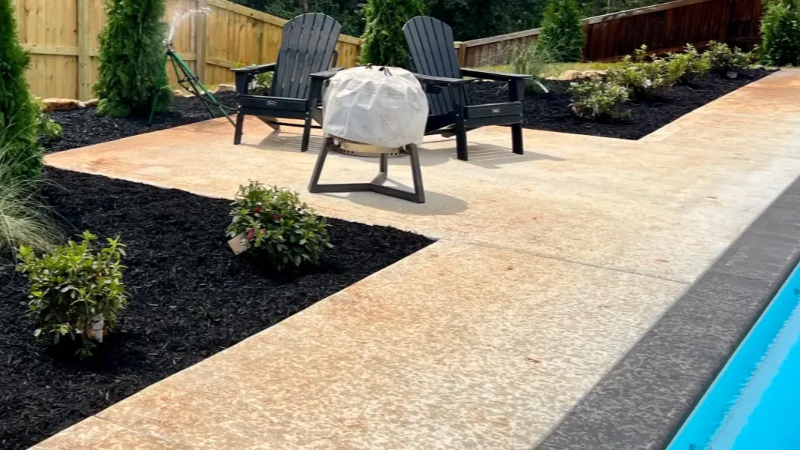
A beautiful backyard pool should feel like a private retreat, not just a body of water surrounded by random plants. The right pool landscape brings structure, privacy, and comfort to the space while keeping maintenance manageable. But planting around pools requires a different mindset than a typical yard project. The wrong plants can drop debris into the water, struggle in intense heat, or quickly outgrow the space.
At Property Docktors, we help homeowners across Loudon County design and install pool landscapes that balance beauty with long-term performance. If you are planning a new pool or upgrading an existing backyard, understanding how planting works around pools can save you years of unnecessary maintenance and frustration.
Why Pool Landscaping Requires a Different Approach
Designing landscaping around a pool is very different from building a traditional garden bed or planting along a walkway. Pool environments create unique conditions that affect plant health, safety, and maintenance. When those conditions are ignored, the landscape may look great at first but quickly becomes difficult to maintain.
Here are the main reasons pool landscaping requires specialized planning:
-
- Splash and humidity exposure
Plants closest to the pool are exposed to frequent splashing and higher humidity levels. Some plants tolerate this easily, while others develop mildew, rot, or disease. Selecting plants that can handle occasional moisture is critical. - High sun and reflected heat
Large paver patios, concrete decks, and stone surfaces reflect heat throughout the day. In open backyards common around Lenoir City and Tellico Village, temperatures near the pool can become much hotter than the rest of the yard. Plants must be able to tolerate intense sun and dry conditions. - Chlorine and saltwater exposure
Small amounts of treated pool water often reach nearby planting beds. Some sensitive plants decline over time when exposed to chlorinated or saltwater splashes. Choosing tolerant species helps prevent this slow damage. - High foot traffic
Pool decks are active spaces. Guests walking barefoot, kids running around, and people carrying towels or pool gear create constant movement. Landscaping must allow clear pathways and avoid plants with thorns, aggressive roots, or delicate stems. - Maintenance considerations
Plants that constantly drop leaves, petals, or seed pods quickly become a nuisance around pools. Debris clogs filters, stains hardscapes, and requires frequent cleanup. A low-mess plant palette keeps the pool area easier to maintain.
- Splash and humidity exposure
With thoughtful planning, the landscape can enhance the pool rather than becoming another maintenance chore. The goal is a space that looks clean, natural, and welcoming while standing up to the Tennessee climate.
Best Practices for Planting Around Pools
Poolside planting works best when plant selection, spacing, and layout are considered together. These guidelines help create landscapes that stay attractive and functional over time.
1. Choose Low-Mess Plants
One of the most common mistakes homeowners make is choosing plants that constantly shed debris into the pool. Leaves, flowers, and seed pods can quickly accumulate in the water and on surrounding hardscapes.
Look for plants that:
-
-
- Produce minimal leaf or flower drop
- Maintain a clean, compact growth habit
- Require limited pruning or cleanup
-
Good low-mess options often include:
-
-
- Ornamental grasses that add texture without heavy leaf drop
- Compact evergreen shrubs that keep a neat shape
- Durable perennials that bloom without excessive debris
-
Trees that shed large leaves or produce fruit are usually better placed farther away from the pool so they still add shade and structure without creating constant cleanup.
2. Select Plants That Handle Heat and Sun
Pool areas are often the hottest part of a backyard. The combination of direct sunlight and reflected heat from patios and decks creates challenging growing conditions.
Pool-friendly plants should be:
-
-
- Drought tolerant once established
- Resistant to heat and full sun exposure
- Able to handle occasional splashing
-
Using plants that naturally thrive in these conditions reduces watering needs and keeps the landscape healthier throughout the summer months.
When planning the overall design, many homeowners start by exploring layout ideas using the Landscape Visualizer. This tool helps you see how planting beds, patios, and other features can work together before construction begins.
3. Use Plants to Create Privacy and Structure
A well-planned planting layout can help create privacy around your pool while still keeping the space open and inviting.
Effective privacy plantings may include:
-
-
- Evergreen shrubs for year-round screening
- Taller ornamental grasses for movement and seasonal texture
- Layered plant groupings that soften fences or walls
-
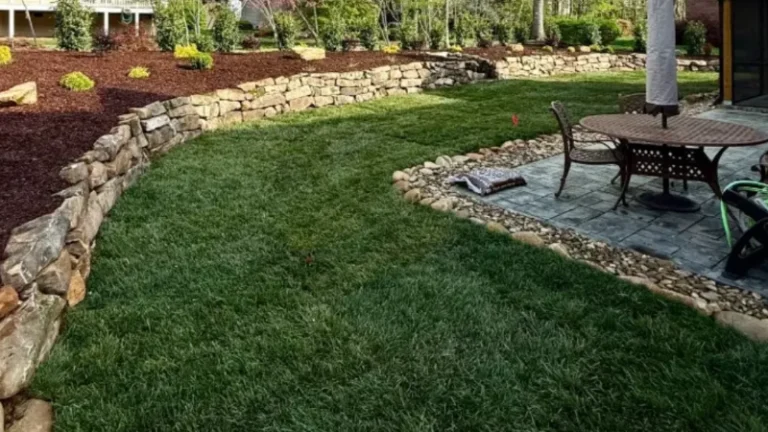
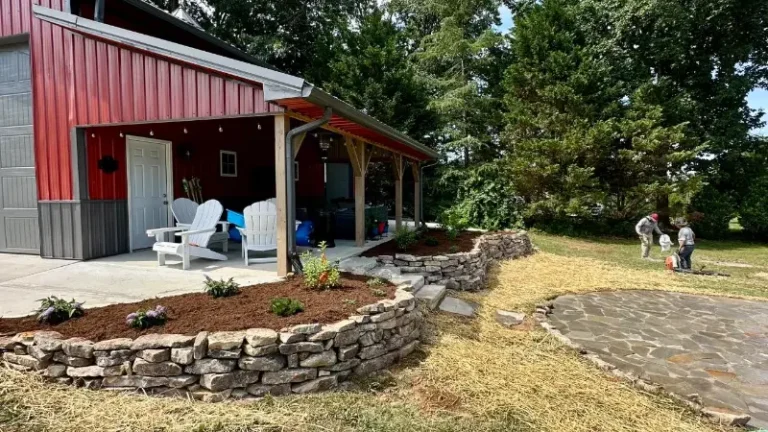
Privacy planting often works best when combined with structural features such as retaining walls, raised planters, or pergolas. These elements provide height and definition while allowing plants to soften the space.
4. Plan Proper Spacing and Placement
Even the best plant choices can cause problems if they are planted too close to the pool or walkways. Overcrowding leads to constant trimming and can restrict movement around the pool deck.
Smart placement strategies include:
-
-
- Leaving clear space between planting beds and the pool edge
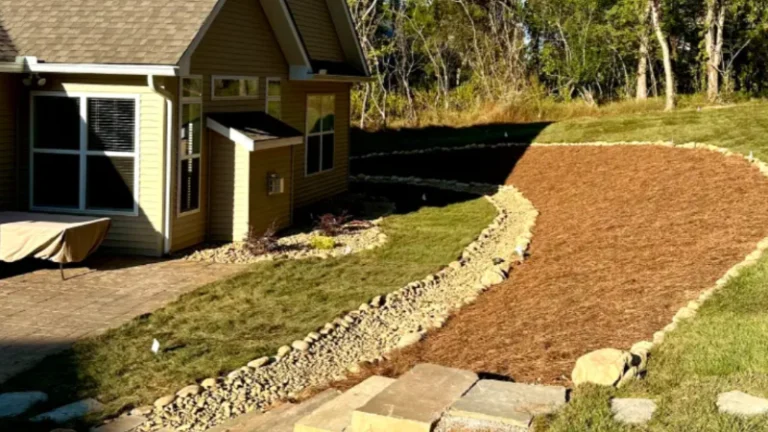
- Defining beds with stone or edging materials
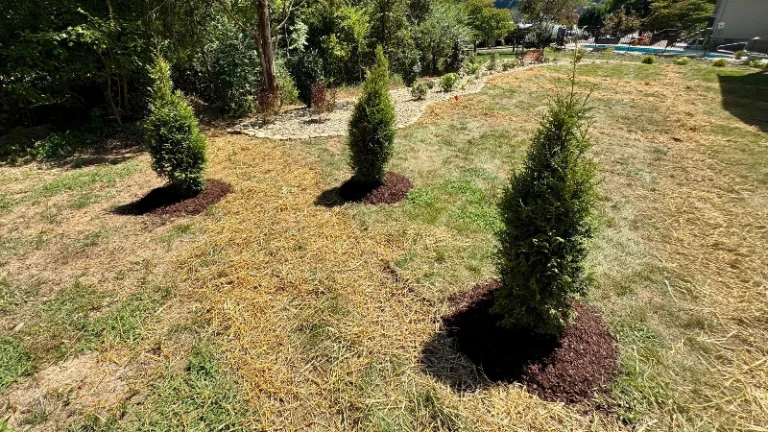
- Placing larger plants where they provide shade or privacy
- Allowing enough room for plants to reach their mature size
-
Strategic spacing keeps the pool area comfortable to move through and prevents plants from encroaching on patios or seating areas.
Coordinating planting beds with surrounding paver patios and hardscape features also helps the entire backyard feel cohesive instead of pieced together.
Pool Landscaping Services Built for Loudon County
Every backyard has its own challenges, from slopes and drainage patterns to sun exposure and privacy concerns. That is why Property Docktors approaches pool landscaping as part of a complete outdoor design.
Our services typically include:
-
- Complete pool landscaping design and installation
- Custom paver patios and walkways around pool areas
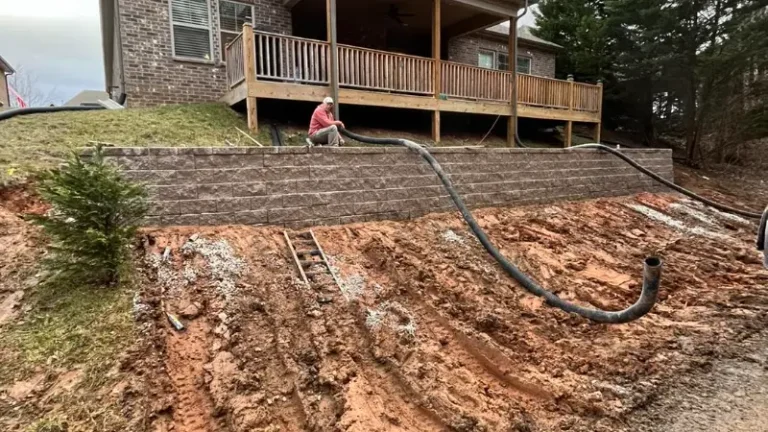
- Retaining walls for elevation changes and slope control
- Landscape lighting for safety and nighttime ambiance
- Installation of durable, pool-friendly plants suited to Tennessee’s climate
Homeowners planning larger backyard upgrades often review the Landscape Pricing Guide and Hardscape Pricing Guide to better understand project options before beginning the design process.
Serving Loudon County and Surrounding Communities
Property Docktors proudly provides landscaping and outdoor living services throughout:
-
- Loudon County
- Lenoir City
- Farragut
- Knoxville
- Tellico Village
- Rarity Bay
- Kahite
- Kingston
Create a Pool Landscape That Looks Great and Stays Easy to Maintain
A thoughtfully designed pool landscape can transform your backyard into a relaxing outdoor retreat. The right plants, layout, and hardscape features create a space that feels polished, comfortable, and easy to maintain throughout the season.
If you’re planning a new pool area or updating your existing backyard, the team at Property Docktors can help you design a landscape that works for your property and the Tennessee climate.
Request an estimate today to start planning your pool landscaping project with experienced professionals who understand how to combine landscaping, hardscaping, and smart planting design into one cohesive outdoor space.