How to Know If Your Patio Needs to Be Replaced
Your patio should be one of the most enjoyable parts of your property. But when the surface starts cracking, sinking, or holding water, it stops feeling like an outdoor living space and starts feeling like a problem you have to work around. In East Tennessee, patios take a beating from heavy rain, shifting soils, and seasonal temperature swings, so even a well-built surface can eventually reach a point where repair is no longer the smart move.
At Property Docktors, we help homeowners in Lenoir City and surrounding communities repair and replace patios that are no longer safe, functional, or worth investing in again. Below, we’ll explain why patios fail, the clearest signs replacement is the right call, and what a proper rebuild should include if you want it to last.
Why patios fail over time
Most patios do not “suddenly” fail. They decline in stages. A small low spot becomes a puddle. A crack becomes a trip edge. Joint sand disappears, then weeds show up, then pavers start to wobble. Understanding why these issues happen helps you decide whether you are dealing with a surface problem that can be corrected or a deeper structural issue that requires a rebuild.
Natural settling and soil movement
Soil beneath patios can settle for a lot of reasons, normal soil consolidation, erosion from runoff, buried organic material breaking down, or changes caused by nearby tree roots. When the base loses support, the patio surface follows.
Common results include:
-
- Low spots and uneven transitions
- Sunken corners or dips near edges
- Cracked concrete or pavers that rock underfoot
If the original base was thin or poorly compacted, settling tends to show up sooner and progress faster.
Freeze-thaw stress and moisture expansion
Even though East Tennessee is not a deep-freeze climate, we still get seasonal swings where moisture can enter joints or the base, freeze, and expand. Over repeated cycles, that movement can shift pavers, widen joints, and crack concrete.
You may notice:
-
- Heaving pavers or lifted edges
- Widening joints and joint sand loss
- Cracks that reappear after every winter season
This is one reason we take drainage and base preparation seriously on every patio installation.
Poor drainage and water trapped where it should not be
Water is the fastest way to shorten the life of a patio. If surface water ponds on top, or if runoff is pushing through edges and washing out the base, you are going to see movement.
Drainage-driven failures often show up as:
-
- Puddles that take hours or days to dry
- Mildew or algae in shady low areas
- Edge washout where soil is disappearing beside the patio
- Water flowing toward the home instead of away from it
When drainage is the root issue, repairs tend to be temporary unless you correct grading and integrate drainage solutions as part of the rebuild.
Heavy use, weight loads, and surface wear
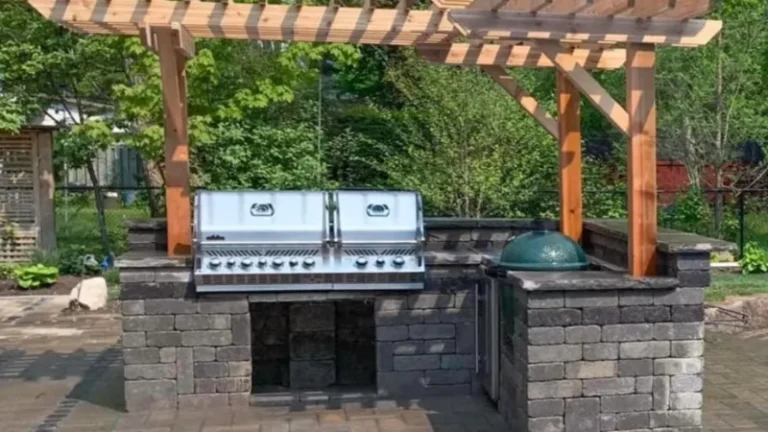
Patios are meant to be used, but certain loads accelerate wear. Heavy grills, hot tubs, outdoor kitchen components, and concentrated furniture legs can stress the surface, especially if the base is already compromised.
Wear-related issues include:
-
- Chipped paver edges and surface spalling
- Shifting in the highest-traffic lanes
- Permanent staining and faded, uneven appearance
Installation shortcuts that show up later
A patio can look great on day one and still be built wrong underneath. The most common issues we see when replacing failed patios are not material problems, they are base and edge problems.
Typical mistakes include:
-
- Base depth that is too shallow for the soil and use
- Poor compaction or compaction done with the wrong equipment
- No edge restraint, allowing the field of pavers to spread
- Slope pitched incorrectly, causing water to collect or run toward the house
Once these issues are baked into the structure, surface repairs can become a cycle of repeat work.
Signs your patio may need to be replaced
Some patio problems are repairable. Others are telling you that the base is failing, the drainage is wrong, or the layout no longer serves the way you use the space. The key is recognizing when repairs are just buying time.
1. Cracking or breakage across large sections
A single cracked paver or a small crack in concrete does not automatically mean replacement. But widespread breakage usually points to base failure or repeated movement that will keep happening.
-
-
- Multiple cracks that spread or widen each season
- Chipped, crumbling, or fractured pavers across the surface
- Repairs that do not hold longer than a year or two
-
When damage is widespread, patching becomes expensive compared to rebuilding with proper base prep and drainage.
2. Sunken areas, slopes you can feel, or a surface that rocks
If the patio is no longer flat and stable, it is often because the base has washed out or settled unevenly. This is more than an appearance issue, it is a safety problem.
Common signs include:
-
-
- Furniture that wobbles no matter where you place it
- Edges that have dropped below surrounding grade
- Pavers that shift when you step on them
- Noticeable dips where water collects
-
A rebuild allows the base to be regraded, rebuilt, and compacted correctly so the surface stays stable.
3. Standing water or water flowing the wrong direction
Water should not sit on your patio, and it should never be directed toward your foundation. If drainage is wrong, it will eventually damage the patio and often surrounding landscaping too.
-
-
- Puddles after normal rainfall
- Moss or algae in low corners
- Erosion and washout at the edges
- Runoff that cuts through beds or toward the home
-
A replacement is the opportunity to correct pitch and tie the project into drainage solutions like French drains, downspout routing, or grading improvements so the problem is solved at the source.
4. Chronic weed growth and joint failure
A few weeds do not automatically mean your patio is failing. But when weeds and moss are widespread, and joint sand continues to disappear, it often means the joints and edges are no longer holding the system together.
Indicators include:
-
-
- Weeds returning quickly after cleaning
- Joints that stay damp and grow moss
- Pavers loosening because joint material is gone
-
When the problem is widespread, resetting small areas can turn into a recurring project. A rebuild allows proper jointing, edge restraint, and optional sealing so the surface stays tighter over time.
5. The patio layout no longer fits how you use the space
Not all replacements are driven by damage. Sometimes the patio “works,” but it is too small, poorly located, or awkwardly shaped for furniture and traffic flow. If you are always fighting the layout, replacement can be a chance to create a space you actually enjoy using.
Common upgrade goals include:
-
-
- Expanding space for dining and entertaining
- Improving transitions to the yard or pool area
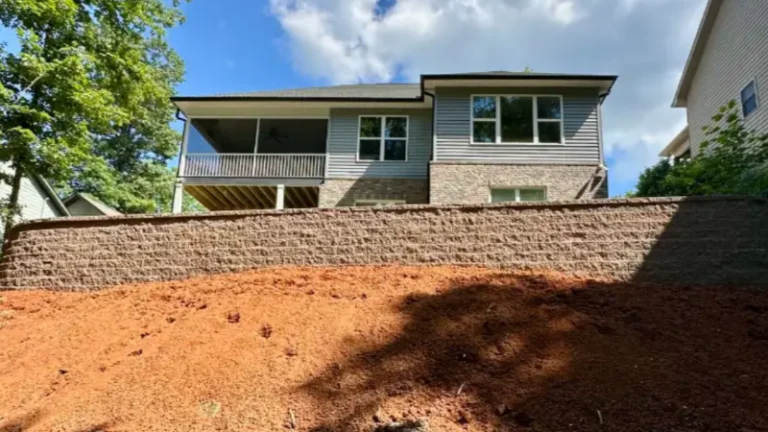
- Adding steps, seat walls, or a retaining wall where grade changes
- Planning for features like an outdoor kitchen or fire pit
-
A new patio can also be designed to work better with the surrounding landscape, including lighting, planting beds, and access paths.
What’s involved in a patio replacement?
A patio replacement should solve the problems that caused the failure, not just cover them up. That starts with proper demolition and continues through base construction, grading, and drainage planning.
When Property Docktors replaces a patio, the process typically includes:
-
- Removal of the existing surface and inspection of the underlying conditions
- Excavation, grading, and base preparation so the patio drains correctly and stays stable
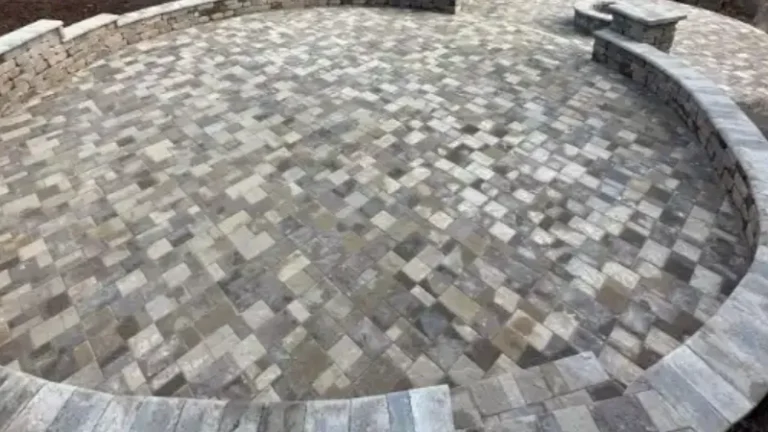
- Installation of a new patio surface using quality pavers, stone, or other durable materials
- Jointing and edge restraint to keep the patio locked in place over time
- Optional upgrades like steps, retaining walls, and landscape lighting for safety and usability
- Drainage integration when runoff, pooling, or erosion is part of the problem
If you are comparing options and budgets, the Hardscape Pricing Guide can help set expectations for patio replacement and related features. If the project includes surrounding planting upgrades or bed work, the Landscape Pricing Guide can be useful as well.
Proudly serving Lenoir City and surrounding areas
Property Docktors provides hardscaping, landscaping, and patio installation services across East Tennessee, including:
-
- Lenoir City
- Loudon
- Knoxville
- Farragut
- Tellico Village
- Oak Ridge
- Rarity Bay
- Kahite
Ready to rebuild your patio the right way?
If your patio is cracking, sinking, holding water, or simply no longer works for your lifestyle, it is worth getting a professional evaluation. A proper replacement does more than improve appearance, it restores safety, improves drainage, and gives you an outdoor space you will actually use.
Property Docktors can assess what is happening, explain the most practical options, and install a new patio built for long-term performance in East Tennessee conditions. Request an estimate online to schedule a consultation in Lenoir City or the surrounding area.