Best Drainage Fixes for Flooded Flower Beds
Flooded flower beds are frustrating because they rarely stay a “bed-only” problem. Standing water can kill plants, wash out mulch, turn soil into concrete, and create soggy areas that creep toward walkways and foundations. If the same bed floods every time it rains, it is not a planting issue, it is a water-management issue.
At Property Docktors, we help homeowners in Lenoir City and surrounding East Tennessee communities eliminate standing water and protect their landscape with proven, long-lasting drainage solutions. Below is what typically causes bed flooding, how to spot early warning signs, and the fixes that actually prevent the problem from coming back.
Why flower beds flood in the first place
Most flooded beds are the result of water being directed to the wrong place, or soil that cannot absorb water fast enough, or both. In many yards, the problem is not “too much rain,” it is rain being concentrated by roofs, slopes, and hard surfaces.
Here are the most common causes we see in East Tennessee:
-
- Incorrect grading around the bed that funnels surface runoff into the planting area instead of away from it
- Clay-heavy or compacted soil that holds water near the surface and suffocates roots
- Downspouts discharging too close to beds, dumping roof runoff into a small area during storms
- Runoff from patios, driveways, and sidewalks that sheets into the bed line and erodes mulch
- Beds built at natural low points such as the base of a slope, where water will always collect first
- Undersized or failing drainage like clogged pipes, collapsed outlets, or systems that were never designed for the amount of water they receive
When flooding happens repeatedly, it is not just about plant health. Oversaturated soil compacts and loses structure, which makes the next storm worse. Over time, that can also contribute to erosion near foundations, patios, and walkways, and it can create conditions where mosquitoes and algae thrive.
Signs your flower beds need drainage work
Some drainage problems are obvious, like puddles that sit for days. Others show up in more subtle ways, especially if the water is moving through the bed and washing out soil rather than pooling on top.
If you are noticing any of the following, it is a strong sign the bed is not draining correctly:
-
- Standing water that lingers long after rain has stopped
- Soil that stays mushy or spongy, making planting and maintenance messy
- Plants that decline for no clear reason, including drooping, yellowing, or stunted growth
- Mulch that floats away or collects at the edge of the bed after storms
- Soil erosion that exposes roots or creates small “trenches” through the bed
- Moss, algae, and weed pressure that increases because the bed stays damp
If your bed is close to the house and stays wet, that is worth addressing sooner rather than later. Water that lingers near foundations can create bigger issues than a few dead plants.
Effective drainage fixes we use
The right fix depends on what is causing the water to collect. Sometimes the solution is as simple as moving roof runoff away from the bed. In other cases, the yard needs grading changes and a drainage system that collects and redirects water below the surface.
Here are the most effective drainage solutions we install to keep flower beds healthy:
1. Regrading to change how water naturally flows
If the surrounding ground slopes toward the bed, water will keep finding it. Regrading is often the foundation of a permanent fix because it redirects surface water before it becomes a problem.
-
-
- Reshapes the area so runoff sheds away from the bed line
- Reduces erosion and protects nearby patios and walkways
- Improves how well other drainage systems perform
- Often part of a broader property grading plan
-
2. French drains for water that is saturating the soil
When the soil stays wet for days, you are usually dealing with subsurface water that needs a path to move away. A French drain collects water below grade and redirects it to a safe discharge area.
-
-
- Great for beds that stay soggy even when the surface looks fine
- Can be installed along the edge of a bed without changing the look
- Often tied into downspouts or other drainage infrastructure
- Low-maintenance when built with proper stone and filter fabric
-
3. Catch basins and drain boxes for concentrated runoff
If water is coming off a driveway edge, patio corner, or a hard surface that funnels runoff, a catch basin can intercept that water before it overwhelms the bed.
-
-
- Collects surface water quickly during heavy storms
- Routes runoff through underground piping to a discharge point
- Helps prevent mulch washout and soil erosion
- Pairs well with hardscapes and walkways where runoff is common
-
4. Dry creek beds for slope runoff and washouts
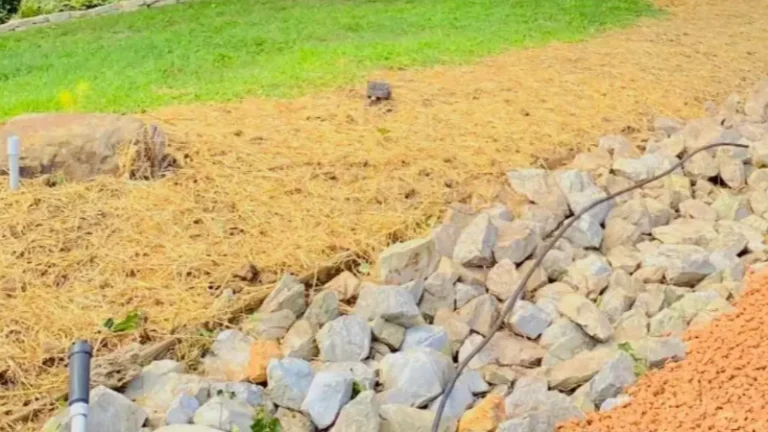
A dry creek bed is one of the best options when you need to move water across the yard, especially from the top of a slope to a lower discharge area. It also helps slow water down, which reduces erosion.
-
-
- Moves stormwater without creating muddy channels through beds
- Reduces erosion by slowing and directing flow
- Adds a clean, intentional look using stone and edging
- Often incorporated into xeriscaping or bed redesigns
-
5. Downspout extensions and roof runoff redirection
If a downspout dumps water into a bed, the bed will flood, no matter how good your plants are. Redirecting roof runoff is one of the most cost-effective ways to protect beds and foundations.
-
-
- Moves roof water away from beds and foundation edges
- Can be routed underground for a cleaner look
- Often tied into a French drain or catch basin system
- Prevents repeat washouts during heavy storms
-
6. Soil improvement and bed rebuilding where the soil cannot drain
In some beds, the soil is so compacted or clay-heavy that water simply cannot infiltrate. In those cases, drainage systems help, but the bed itself may also need soil improvement so plants can thrive.
-
-
- Improves root health and reduces rot and decline
- Helps beds drain faster after storms
- Often paired with mulch installation to reduce crusting and erosion
- Can be combined with new plantings for a full refresh
-
These fixes can be used individually or combined depending on how water moves across the property. The goal is always the same, control where the water goes, and protect the bed from being the “collection point.”
Our approach to solving flower bed drainage
We start by looking at the full water story, not just the flooded spot. That means checking where roof runoff goes, how the yard is pitched, where hard surfaces shed water, and how soil conditions change across the property.
From there, we recommend the simplest fix that actually solves the problem long-term. In many projects, drainage improvements are paired with landscape upgrades so the final result looks intentional, not like a patchwork repair. That might include refreshing bed edges, correcting washouts, adding decorative stone, or reworking planting areas for better long-term health.
If you are planning improvements and want a clearer idea of what to expect, the Landscape Pricing Guide is helpful for drainage-adjacent bed work and planting updates. If the drainage issue is tied to patios, walkways, or other surfaces that shed water toward the beds, the Hardscape Pricing Guide can help set expectations for those upgrades as well.
Proudly serving East Tennessee communities
Property Docktors provides landscaping and drainage services across East Tennessee, including:
-
- Lenoir City
- Loudon
- Knoxville
- Farragut
- Tellico Village
- Oak Ridge
- Rarity Bay
- Kahite
Get your flower beds back on track
If your beds flood every time it rains, the solution is not more mulch or different plants. It is a drainage plan that moves water away from the problem area for good.
Property Docktors can evaluate your site, pinpoint the cause, and install the right combination of grading and drainage solutions to protect your beds and your property. Request an estimate online to schedule a drainage consultation in Lenoir City or the surrounding area.