What Causes Patchy Lawns and How to Fix Them
A patchy lawn is one of those problems that makes a property look neglected, even when everything else is in good shape. Bare spots near the driveway, thin grass under trees, yellow patches along a fence line, it all stands out. The frustrating part is that many people try to “fix” it by throwing down seed and watering more, only to watch the same areas fail again a few weeks later.
At Property Docktors, we diagnose and repair patchy lawns throughout Lenoir City and surrounding East Tennessee communities. In this post, we’ll break down the most common reasons turf gets thin or dies off, and how we restore lawns so they come back thicker and stay that way.
Common causes of patchy grass
Patchy grass is usually a symptom of a deeper issue. Sometimes it is one problem. Often it is two or three problems stacking together, like compacted soil plus poor drainage, or shade plus irrigation gaps. Getting the lawn back requires identifying what is happening below the surface, not just treating what you see on top.
1. Soil compaction
Compacted soil is one of the most common causes of thinning turf, especially in high-use areas. Foot traffic, mowers, kids playing in the same zone, and even construction work can pack the soil so tightly that water and oxygen stop moving into the root zone.
-
-
- Grass thins in predictable paths or gathering areas
- Water runs off instead of soaking in
- The ground feels hard and roots stay shallow
-
How we fix it: We typically start with core aeration to open the soil and relieve compaction. Aeration improves water infiltration and allows roots to grow deeper. It is often paired with overseeding and topdressing so the lawn can fill back in quickly.
2. Poor soil structure or nutrient imbalance
East Tennessee lawns often struggle because the soil is either clay-heavy, low in organic matter, or inconsistent across the yard. One area may stay wet while another dries out too fast. When the soil cannot support healthy roots, grass becomes thin and stressed, and weeds start to move in.
-
-
- Pale, weak growth even with regular watering
- Uneven color or slow recovery after mowing
- Areas that dry out quickly next to areas that stay soggy
-
How we fix it: We evaluate soil conditions and recommend the right amendment plan. Depending on what the lawn needs, that could include compost topdressing, targeted soil improvement, or prep work for a partial or full new lawn installation where it makes more sense than repeatedly patching failed areas.
3. Uneven watering or irrigation coverage gaps
A lot of lawns look “randomly” patchy, but when you map it out, the thin spots often match sprinkler blind zones, blocked spray patterns, or areas that shed water because of slope. Overwatering can also create patchiness, especially when it leads to shallow roots or fungus.
-
-
- Dry spots even after rain or watering
- Runoff on slopes or along hard edges
- Mushy, weak turf in low areas
-
How we fix it: We look at coverage patterns and water movement across the property. If runoff or pooling is part of the problem, we may recommend drainage improvements or minor grading changes so water goes where it should. A lawn cannot thrive if it is constantly fighting water issues.
4. Drainage problems and standing water
Grass roots need oxygen. If an area stays saturated after storms, roots can suffocate and die off. These spots often show up near downspouts, at the base of a slope, or in depressions created by settling soil.
-
-
- Standing water or muddy areas after rain
- Thin grass that pulls up easily
- Persistent moss or algae in the same zones
-
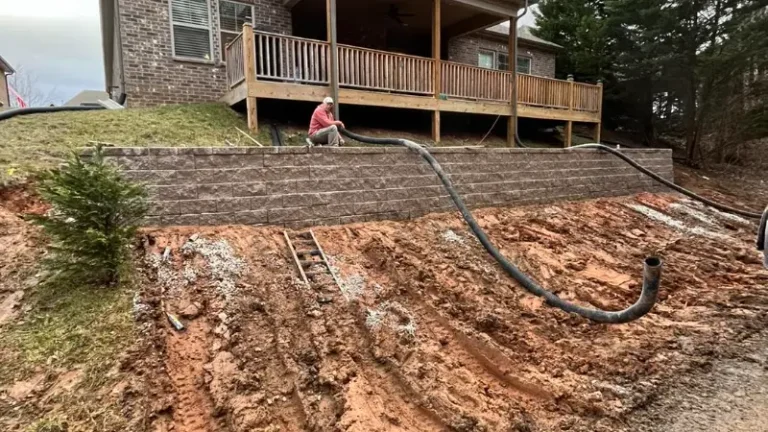
How we fix it: Drainage is often the real root cause behind repeated patchiness. Solutions may include regrading, downspout routing, or a properly designed French drain system that removes excess water from the root zone. Once water is managed, reseeding or sod repair becomes effective again.
5. Pest and disease damage
Grubs and turf diseases can wipe out grass quickly. The tricky part is that homeowners often treat the wrong issue, fungus can look like drought stress, and grub damage can look like normal thinning until you test the turf.
-
-
- Brown patches that expand over time
- Grass that lifts like carpet because roots are gone
- Damage that shows up fast during warm, humid stretches
-
How we fix it: We inspect for the signs that point to pests or disease, then recommend targeted treatment and follow-up restoration. Once the underlying issue is handled, we repair the turf with overseeding, spot patching, or sod replacement where it is the fastest way to restore uniform coverage.
6. Pet damage and repeated foot traffic
Pet urine can burn turf and leave yellow or brown spots, especially in the same areas near doors, fences, or corners of the yard. Repeated foot traffic also wears down grass and compacts soil, making it difficult for turf to recover.
-
-
- Small, round yellow or dead patches
- Worn paths forming between gates, patios, or sheds
- Thin grass that never fully fills back in
-
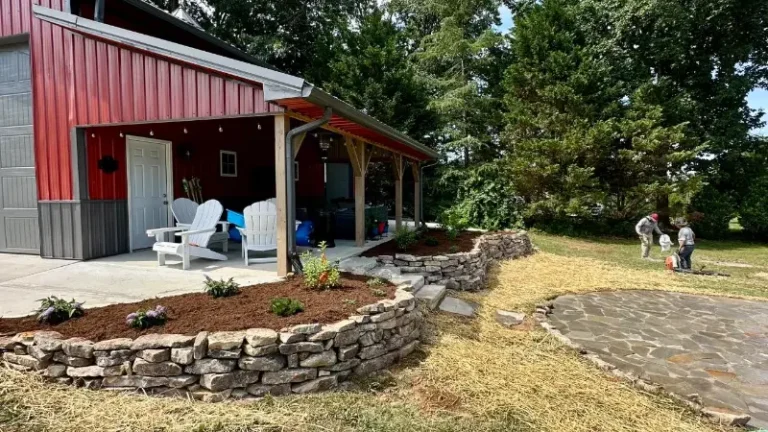
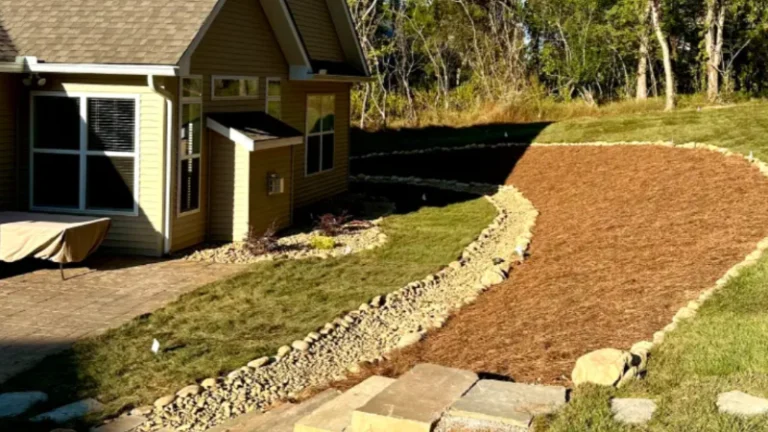
How we fix it: We repair the turf, but we also address the behavior patterns that keep the damage repeating. In many yards, adding a walkway, defining a path with stone, or converting a problem strip into a mulched bed is the difference between constant patching and a lawn that stays consistent.
7. Shade and root competition
Grass needs light. Under tree canopies and along the north side of buildings, turf often fails because it does not get enough sun, and it competes with roots for water and nutrients. These areas tend to turn thin, stay damp, and invite moss.
-
-
- Thin turf under trees or beside fences
- Moss growth and damp soil that dries slowly
- Patchiness that returns no matter how much you seed
-
How we fix it: Sometimes the right answer is a shade-tolerant blend, but other times it is smarter to redesign the space. Converting a struggling zone into a bed with mulch, stone, or shade plantings can look intentional and reduce maintenance. This is where pairing lawn repair with broader landscaping improvements makes the most sense.
How we fix patchy lawns in East Tennessee
There is no one product that fixes every lawn. Real lawn restoration is a process that matches the solution to the cause. Our first step is identifying whether the issue is soil, water, sun, traffic, or a combination.
Depending on what we find, we may recommend:
-
- Core aeration and overseeding to thicken turf and improve rooting
- Topdressing and compost application to improve soil structure and moisture balance
- Sod installation for fast recovery in high-visibility areas
- Targeted irrigation adjustments so water is applied consistently
- Grading and drainage upgrades where water is the real problem
- Pest or disease treatment followed by restoration work
- Landscape conversions for shade zones or high-traffic strips that will never perform as turf
If you are budgeting for outdoor improvements, it can help to review expectations ahead of time. The Landscape Pricing Guide is useful for lawn restoration and planting upgrades, and the Hardscape Pricing Guide can help when pathways or other hardscape features are part of the long-term solution.
Proudly serving Lenoir City and surrounding areas
Property Docktors provides lawn repair, landscaping, hardscaping, and drainage solutions across East Tennessee, including:
-
- Lenoir City
- Loudon
- Knoxville
- Farragut
- Tellico Village
- Oak Ridge
- Rarity Bay
- Kahite
Ready to bring your lawn back?
You do not have to live with thin grass and bare spots that never seem to improve. The key is figuring out why your lawn is failing in the first place, then fixing the conditions that prevent healthy growth.
Property Docktors can evaluate your lawn, explain the most practical path forward, and restore it with professional methods that hold up in East Tennessee conditions. Request an estimate online to schedule a lawn evaluation and get a plan that actually solves the problem.