Top Drainage Solutions for Business Landscapes
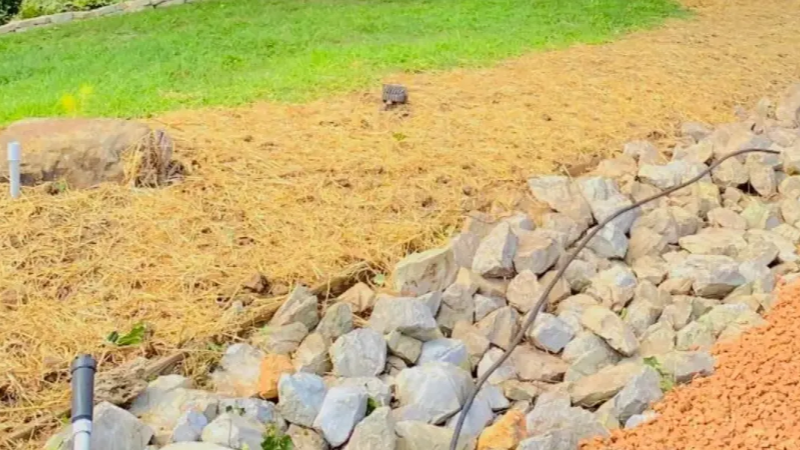
Standing water by an entryway, eroded mulch in your beds, or turf that never dries out are more than cosmetic problems. On a commercial site, they are signals that water is not being managed correctly, and that can quickly turn into safety issues, property damage, and higher maintenance costs.
At Property Docktors, we help commercial property owners and managers in Lenoir City and nearby East Tennessee communities implement long-term drainage solutions that protect buildings, keep tenants happy, and reduce liability. Below is what poor drainage typically costs a business, the most effective solutions for commercial properties, and how we approach drainage planning so you are not fixing the same problems every year.
Why proper drainage matters for your business
A drainage issue on a commercial property is rarely isolated. When water collects in one area, it is often because the entire site is working against itself, poor grading, compacted soils, clogged collection points, undersized piping, or runoff being discharged to the wrong location.
In practical terms, drainage affects three things every business cares about, safety, maintenance cost, and professional appearance.
-
- Slip and fall risk
Pooled water on sidewalks, ramps, and crosswalks can become a serious hazard. In winter, those areas can freeze overnight, creating liability problems for property owners and managers. - Foundation and pavement damage
Water that repeatedly saturates the soil near buildings can contribute to settlement issues and structural moisture problems. On paved areas, trapped water accelerates cracking, potholes, and edge failure around curbs and pads. - Landscape loss and repeated replacements
Oversaturated beds drown root systems and encourage disease. Erosion pulls mulch and soil away from plantings, exposing roots and lowering the quality of the site. Many commercial properties end up paying twice, once for the plants, and again for the replacements. - Flooding in high-traffic areas
When runoff has no clear collection path, you can end up with water at entrances, loading zones, dumpster pads, and parking areas. These are the areas customers see first, and the places you least want standing water. - Mosquitoes and unusable turf
Standing water in lawn areas and low spots creates muddy zones that look neglected and attract pests. That affects both use and perception of the property. - Higher maintenance costs
When runoff is uncontrolled, mulch washes out, stone gets displaced, and soil ends up on sidewalks and pavement. Crews spend time fixing the same mess instead of maintaining the property properly. - Reduced curb appeal
Dead plants, muddy entrances, and algae-stained hardscapes make the site feel unmanaged. For retail, office, and HOA properties, that directly impacts tenant satisfaction and public perception.
- Slip and fall risk
At Property Docktors, we treat drainage as the foundation of a healthy commercial landscape. Many sites need more than a single “fix.” Drainage work often pairs naturally with other services we provide, including property grading, landscape renovation, and structural hardscape work like retaining walls to stabilize slopes and control water movement.
Top drainage solutions we recommend for commercial sites
No two commercial properties handle water the same way. A retail center with wide pavement and curbing has different drainage needs than an HOA common area with turf and planting beds. That is why our recommendations start with understanding how water enters the site, how it moves across surfaces, and where it should discharge.
Below are the drainage solutions we commonly install in Lenoir City and the surrounding area, and when each one makes sense.
1. French drains for persistent soggy areas
A French drain is designed to collect and redirect groundwater, the water that moves through soil and causes turf to stay wet long after a storm. This system uses a perforated pipe placed in a gravel-filled trench to capture water and move it away from problem areas.
French drains are often the right fit for:
-
-
- Turf zones that remain muddy or soft for days after rain
- Low areas near buildings that collect water below the surface
- Water pressure behind retaining walls or landscape borders
-
How we handle it: We size the trench and pipe correctly, place clean stone to maintain flow, and route the discharge to a safe outfall. On commercial sites, we often combine French drains with grading adjustments so the system is not overloaded during heavy storms.
2. Catch basins and drain boxes for surface runoff
Catch basins collect surface water from paved areas, walkways, and low spots. They work especially well where water moves across the surface and needs a clear entry point into a piped system.
Catch basins are most effective for:
-
-
- Parking lots, drive lanes, and apron areas where water collects
- Entrances, sidewalks, and ramps where safety is a concern
- Dumpster pads and loading zones where standing water creates mess and odor issues
-
How we handle it: We locate collection points based on how water flows during storms, then connect basins to underground piping that moves water away from high-use areas. The goal is to prevent water from sitting where people walk and vehicles travel.
3. Regrading to correct the root cause
Sometimes the issue is not the drain at all, it is the slope of the land. Poor grades create low spots that trap water, and they can also send runoff toward buildings instead of away from them. In those cases, property grading becomes the foundation of a permanent fix.
Regrading is commonly used to fix:
-
-
- Low, flat turf areas that puddle after every storm
- Drainage patterns that send water toward foundations and entrances
- Planting beds that wash out because water is cutting through them
-
How we handle it: We reshape the site so water flows to the right collection areas, then reinforce the improvements with drainage systems where needed. This is also when we plan how the site should look when finished, which often includes landscape restoration after the grading work is complete.
4. Swales and dry creek beds for long flow paths
Swales are shallow channels that guide runoff safely across a property. For commercial sites that need a functional solution that also looks intentional, a dry creek bed can do the same job while adding a clean, finished appearance.
Best suited for:
-
-
- Large properties where water travels across long distances
- Sites with sloped terrain where runoff needs a controlled route
- Properties where appearance matters, such as office parks and community entrances
-
How we handle it: We design the channel size and slope so it carries water without eroding, then integrate it with surrounding landscaping so it feels like a feature, not an afterthought.
5. Downspout routing and roof runoff control
Roof runoff is a major contributor to foundation and landscape problems on commercial buildings. When downspouts discharge too close to the building, they can saturate soil, wash out beds, and contribute to moisture problems inside.
We solve this by:
-
-
- Extending downspouts to safe discharge areas
- Routing water into a drainage system that moves it away from entrances and foundations
- Protecting discharge zones so they do not erode or create muddy areas
-
This is one of the simplest upgrades that can prevent repeated landscape damage around buildings.
6. Rain gardens and infiltration zones for properties that need stormwater absorption
Some sites benefit from helping water soak into the ground in a controlled way instead of trying to pipe everything out. Rain gardens and infiltration areas use amended soil and plantings to slow, absorb, and filter runoff.
These are often a good fit for:
-
-
- Courtyards and common areas where water tends to pool
- Properties that want an eco-friendly solution that also improves appearance
- Sites where stormwater planning is part of long-term property management
-
How we handle it: We design the area to capture runoff, then select plantings that tolerate wet and dry cycles. When done correctly, these zones reduce puddling while improving curb appeal.
How we approach commercial drainage in East Tennessee
At Property Docktors, we do not treat drainage as a quick install. The same “fix” can work on one property and fail on another if the underlying cause is different. That is why our process starts with a site-wide look at water movement.
Our commercial drainage projects typically include:
-
- On-site evaluation of low spots, runoff paths, and existing drainage features
- Grading assessment to identify where water is being directed incorrectly
- System recommendations based on the type of water problem, surface runoff, groundwater, or both
- Integration with landscaping and hardscaping so the final result looks clean and intentional
When drainage work is part of a larger site improvement, it can be useful to plan budgeting early. The Landscape Pricing Guide can help with expectations for landscape restoration and planting work after drainage improvements, while the Hardscape Pricing Guide can help if the project involves retaining walls, walkways, or other structural elements.
Proudly serving Lenoir City and surrounding areas
Property Docktors provides landscaping, hardscaping, and drainage services throughout East Tennessee, including:
-
- Lenoir City
- Loudon
- Knoxville
- Farragut
- Tellico Village
- Oak Ridge
- Rarity Bay
- Kahite
Get a permanent drainage solution for your commercial property
Stop paying to manage the same drainage problems year after year. If your site has standing water, erosion, dead landscaping, or slippery walkways, the right fix starts with identifying the cause and designing a system that addresses it permanently.
Property Docktors will evaluate your property, explain the most practical solution, and build a drainage plan that protects your investment and keeps your site looking professional. Request an estimate to schedule a commercial drainage consultation in Lenoir City or the surrounding area.